

Contact Info

© Silk Road Treasure 2025, All Rights Reserved.

A Program by Silk Road Treasure


Introduction

Afghanistan, located at the crossroads of ancient civilizations, has inspired travelers, historians, and explorers for millennia. Its stunning mountains, hidden valleys, vibrant cultures, and profound spiritual heritage offer a unique travel experience that is hard to find elsewhere.

Despite decades of conflict, Afghanistan’s essence remains intact, characterized by warm hospitality, diverse landscapes, and a rich cultural legacy. The coming years, especially from 2026 to 2030, represent a rare opportunity to reintroduce Afghanistan as a destination for responsible tourism, cultural exploration, and holistic wellness.

Silk Road Treasure is committed to shaping this new chapter by creating safe, structured, and culturally respectful pathways for global engagement.
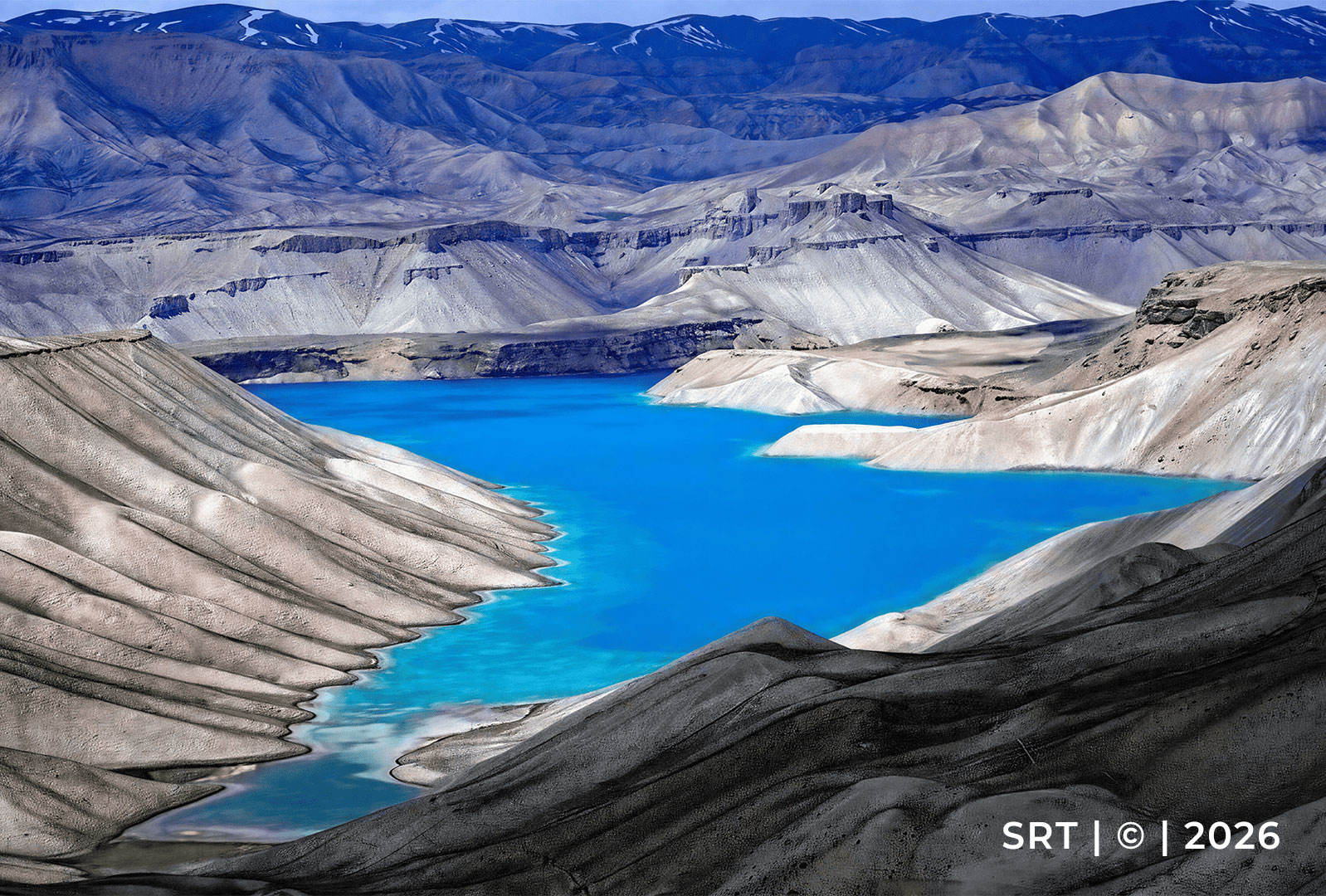

History of Tourism in Afghanistan

Afghanistan’s tourism story spans centuries:

Early Heritage

Historically known as Ariana and Khorasan, Afghanistan has been influenced by empires such as those of Alexander the Great, Genghis Khan, and various Islamic dynasties. Each era has left behind monuments, archaeological wonders, and timeless stories that enrich the country’s cultural identity.

Modern Beginnings

The unified Afghan state emerged in 1747 under Ahmad Shah Durrani. In the 19th and early 20th centuries, researchers, writers, and British and Indian scholars documented Afghanistan’s landscapes, architecture, and culture, sparking global interest.

King Amanullah Khan’s modernization efforts in the 1920s further enhanced Afghanistan’s image abroad. His travels, alongside Queen Soraya, showcased Afghanistan as an emerging, open nation, with landmarks like Paghman Palace symbolizing this aspiration.

The Golden Era (1950s–1970s)

This period marked a vibrant boom in Afghan tourism. Key drivers included:

  • International publications, films, and travel narratives that highlighted Afghan heritage.
  • An influx of visitors drawn by the natural beauty, ancient sites, local crafts, and unique cultural traditions.
  • Tourism supported local economies and promoted Afghan exports such as carpets, gemstones, jewelry, dried fruits, saffron, and fine handicrafts.

Decline and Attempts at Revival

The Soviet invasion in 1979 brought a halt to Afghanistan’s flourishing tourism. For decades, conflict isolated the nation from the global community.

After 2001, new infrastructure roads, hotels, flights, and restaurants helped revive limited tourism in provinces like Kabul, Bamiyan, Herat, Mazar-e-Sharif, Nangarhar, and Nuristan. However, growth remained slow due to security concerns and inconsistent funding.

Since 2021, the new political landscape and growing global interest have positioned Afghanistan’s tourism sector for steady growth toward 2030, driven by heritage tourism, adventure travel, cultural exchange, and digital platforms.

What Silk Road Treasure Offers

Silk Road Treasure aims to lead a new era of safe, structured, and sustainable tourism in Afghanistan through a comprehensive ecosystem:

Tourism & Wellness Programs

Curated experiences that blend cultural exploration, nature retreats, spiritual journeys, and wellness-focused travel.

Cultural Heritage Tours

Guided explorations of historical sites, museums, archaeological zones, ancient cities, and Silk Road routes.

Eco & Adventure Tourism

Mountain trekking, visits to lakes, protected forests, village stays, and responsibly designed nature conservancy programs.
Hospitality & Local Network Integration
Partnerships with local hotels, guides, transport providers, artisans, and communities to ensure quality service and fair economic benefits.

Safety Management & Travel Coordination

Comprehensive logistical planning, risk assessments, escorted travel routes, and real-time communication support.

Media, Research & Documentation

Support for filmmakers, researchers, and content creators interested in Afghanistan’s cultural and natural wealth.
Silk Road Treasure envisions a responsible, community-centered tourism model that benefits both visitors and local populations.

The Afghan Tour Application Project

One of Silk Road Treasure’s flagship initiatives for 2026–2030 is the development of the Afghan Tour Application a modern digital gateway for exploring Afghanistan.

Key Features of the App


  • Interactive maps of historic and natural destinations
  • Verified travel routes, safety updates, and local regulations
  • Local guide registration and booking system
  • Cultural explanations, language tools, and etiquette briefings
  • Wellness retreats, adventure itineraries, and tailored tour packages
  • Digital marketplace for Afghan handicrafts and cultural products

The Afghan Tour App aims to connect travelers with verified services, authentic experiences, and reliable information, helping to shape a new, safe, and modern tourism ecosystem.
By 2030, Afghanistan can re-emerge as one of Asia’s most captivating cultural and adventure tourism destinations. The Afghan Tour Application serves as the digital foundation for this transformation.